
Subscribe and receive email notifications of new blog posts.
 RSS Feed
16
Just Moved In? 7 Decorating Decisions to Make Before Buying Furniture
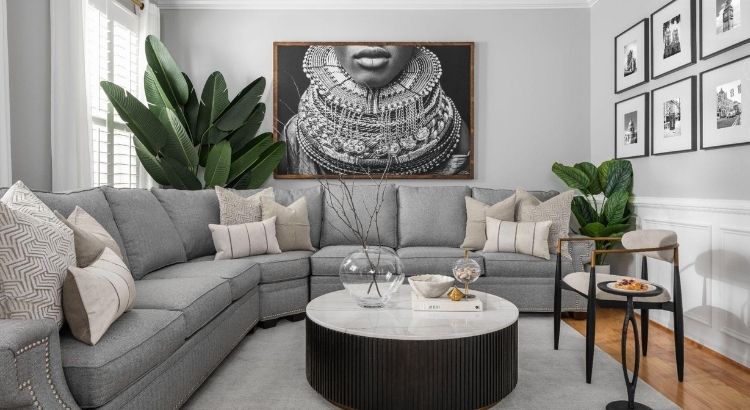
Just Moved In? 7 Decorating Decisions to Make Before Buying Furniture
You have the keys, the boxes are arriving, and you are finally standing inside your new home.
After months of searching, paperwork, inspections, and closing, it is tempting to start shopping for everything you need right away.
A new sofa. A dining table. New rugs. Maybe that beautiful accent chair you saved months ago.
But before you start filling your online cart, give yourself time to create a plan.
New home decorating is exciting, but some of the most important design decisions should happen before you purchase your first major piece of furniture. Without a plan, it is easy to buy pieces that are the wrong size, choose colors that do not work together, or spend too much in one room and leave little for another.
As an interior decorator, I encourage homeowners to think about the entire space before focusing on individual purchases. A thoughtful plan can help you create a home that feels cohesive, functional, and personal, while helping you avoid costly decorating mistakes.
If you have just moved in, here are seven decisions worth making before you buy furniture.
1. Decide How You Want Your Home to Feel
Before choosing a sofa style or paint color, ask yourself a simple question:
How do I want my home to feel?
Maybe you want it to feel calm and relaxing after a long workday. Perhaps you love warm, inviting spaces where friends and family can gather. Or you may prefer a home that feels sophisticated, polished, and tailored.
These words become the foundation for your design.
One of the challenges with new home decorating is having access to too many ideas. You may love a modern living room on Instagram, a traditional bedroom on Pinterest, and a colorful kitchen you saw in a magazine. Each room may be beautiful on its own, but that does not mean all three styles belong in your home.
Instead of immediately choosing a specific design style, start with the feeling you want to create.
Select three to five words that describe your ideal home. For example:
-
Warm
-
Comfortable
-
Sophisticated
-
Natural
-
Inviting
Use those words as a filter when making future decorating decisions.
2. Understand How You Will Use Each Room
A beautiful room that does not support your lifestyle can quickly become frustrating.
Before purchasing furniture, think about what actually needs to happen in each space.
Will your living room mainly be used for watching television as a family? Do you frequently entertain? Does your dining room need to work as an occasional homework or work area? Do you need a quiet reading spot? Does your home office need storage for paperwork, equipment, or samples?
This is where new home decorating becomes more than selecting beautiful things. Good decorating considers both appearance and function.
For example, a formal living room with two beautiful sofas facing each other may photograph wonderfully. But if your family gathers there every evening to watch television, that layout may not work for you.
Make a simple list of the activities that will happen in each room. Then identify the furniture and storage needed to support those activities.
Designing around your real life will help your home stay beautiful long after installation day.
3. Measure Before You Buy Anything
This may not be the most exciting part of decorating, but it is one of the most important.
Measure your rooms before purchasing furniture.
A large showroom can make a sectional look smaller than it actually is. Once that same sectional arrives in your living room, it can overwhelm the entire space.
On the other hand, furniture that is too small can make a large room feel unfinished.
Measurements are especially important during new home decorating because you are still learning the scale and flow of your new space.
Measure the length and width of each room, but do not stop there. Record ceiling heights, windows, doors, fireplaces, vents, outlets, and other architectural features that may affect furniture placement.
You should also measure doorways, stairways, hallways, and elevators when necessary. Your beautiful new sofa does not help you if it cannot make it through the front door.
Once you have accurate measurements, create a furniture plan before shopping. Even a basic floor plan can help you determine what sizes and shapes will work best.
4. Create a Whole-Home Color Direction
You do not need to choose every paint color before moving in, but you should have a general color direction.
Think about the colors you want to see throughout your home. You might prefer warm neutrals with natural wood tones, soft blues and creams, earthy greens, or a more dramatic palette with deeper colors.
A consistent color story is especially helpful with new home decorating because it creates a visual connection between rooms.
This does not mean every room needs to look the same.
Your bedroom can feel softer than your living room. Your powder room might be the perfect place for a bold wallpaper. Your office may have a stronger accent color that inspires you.
The goal is connection, not duplication.
Look at your flooring, countertops, cabinetry, and other permanent finishes before selecting your palette. These existing elements should influence the colors you introduce through paint, furniture, rugs, window treatments, and accessories.
When rooms relate to one another, the entire home feels more intentional.
5. Determine Your Furniture Layout Before Selecting Furniture
One of the biggest mistakes homeowners make is purchasing furniture first and figuring out the layout later.
Reverse that process.
Your furniture layout should determine what you buy.
This is one of the most valuable steps in new home decorating because a good layout affects how comfortable and functional a room feels.
Start by identifying the room's focal point. It may be a fireplace, television, large window, piece of artwork, or architectural feature.
Next, consider traffic flow.
Can people easily walk through the room without navigating around furniture? Is there enough room to pull out dining chairs? Can cabinet doors open? Are pathways between rooms clear?
Then determine which furniture pieces the room actually needs.
You may discover that your living room works better with a sofa and two chairs instead of a large sectional. Your bedroom may need smaller nightstands to allow comfortable space around the bed. Your dining room might benefit from a round table rather than a rectangular one.
A floor plan helps answer these questions before you spend money.
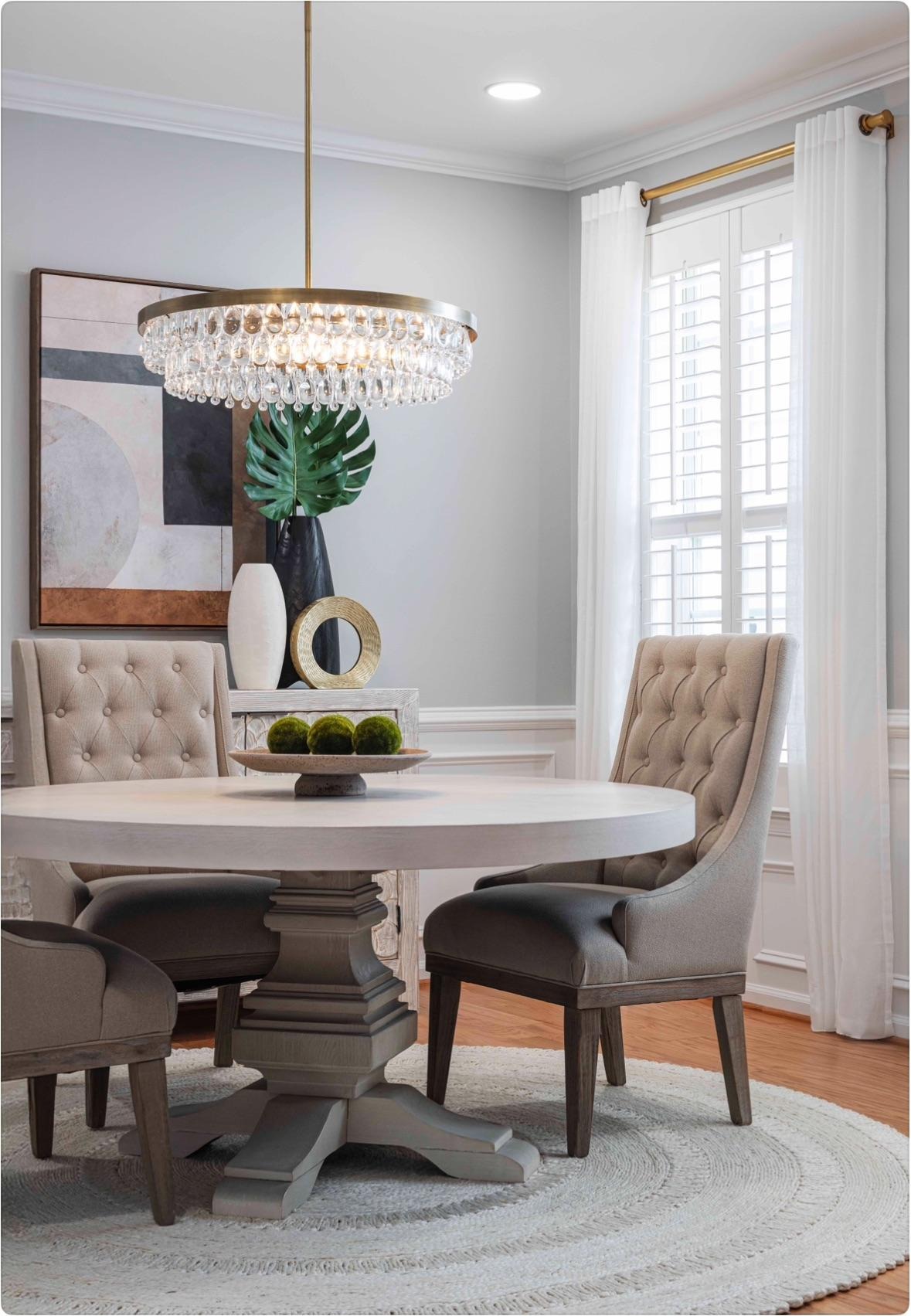
Designer Tip: Consider the size, shape, and flow of your room before selecting furniture. The right layout helps every piece feel intentional.
6. Set Your Decorating Budget and Priorities
When you move into a new home, it can feel like every room needs attention at once.
Usually, it does not.
A thoughtful new home decorating budget helps you decide where to invest now and what can wait.
Start by creating an overall budget rather than shopping one item at a time. Then divide that budget among the rooms you want to complete.
Think about which spaces will have the greatest impact on your daily life.
If your family spends most evenings in the living room, that may deserve priority. If you work from home every day, investing in your office could improve both comfort and productivity. If your bedroom is your place to recharge, you may want to complete it before decorating a rarely used guest room.
Next, decide where quality matters most.
Items used every day, such as sofas, mattresses, dining chairs, and office seating, may deserve a larger portion of the budget. Decorative accessories can often be layered in over time.
Successful new home decorating does not require buying everything immediately. In fact, taking your time often leads to better decisions.
7. Create a Design Plan Before You Start Shopping
Once you understand your style, function, measurements, colors, layout, and budget, bring everything together into one plan.
This is where new home decorating starts to feel much less overwhelming.
Your design plan might include:
-
Inspiration images
-
A color palette
-
Room measurements
-
Furniture layouts
-
Furniture selections
-
Lighting ideas
-
Window treatments
-
Rugs
-
Artwork
-
Accessories
-
A purchasing schedule
Having a plan does not mean you cannot change your mind. It simply gives you direction.
When you find a beautiful chair while shopping, you can ask whether it works with your measurements, color palette, style, and budget instead of purchasing it because you love it in the moment.
That distinction can save you from expensive mistakes.
It also helps you create rooms that connect visually. Instead of designing each room in isolation, you can see how your selections work together throughout the home.
Why You Shouldn't Rush to Fill an Empty Home
An empty room can make homeowners feel as though something needs to be purchased immediately.
Give yourself permission to live with some empty space.
One of the best parts of new home decorating is discovering how your home functions after you move in. The way you thought you would use a room during your home tour may change once you are actually living there.
Pay attention to where your family naturally gathers. Notice which rooms receive the best natural light throughout the day. See where you need more storage and which spaces feel awkward or unfinished.
Those observations can influence your decorating decisions.
It is much easier to wait a few weeks for the right piece than to spend years living with an expensive purchase that never worked.
Think Beyond the Furniture
Furniture may take up the most physical space, but it is only one layer of a finished room.
Lighting, rugs, window treatments, artwork, paint, wallpaper, greenery, and accessories all contribute to how a space feels.
During new home decorating, think about these elements early, even if you will purchase them later.
For example, knowing that you want full-length window treatments may affect where furniture is placed. Planning a large piece of artwork may influence the size of a console beneath it. Adding a chandelier could affect the placement of your dining table.
Thinking through these details in advance creates a more polished result.
Your New Home Doesn't Need to Be Finished Overnight
Moving into a new home is a major milestone. Enjoy it.
Your home does not have to look completely finished within the first month, or even the first year.
The goal of new home decorating should not be to fill every empty wall and corner as quickly as possible. The goal is to create a home that supports your life and reflects the people who live there.
Start with a plan. Focus on the rooms that matter most. Invest thoughtfully. Add meaningful pieces over time.
A home that comes together intentionally often feels far more personal than one furnished in a rush.
Ready to Turn Your New House Into a Home?
If you have recently moved and are staring at empty rooms wondering where to begin, you do not have to make every decorating decision on your own.
At Erica's Events & Décor, we help homeowners throughout the Washington, DC metro area create a clear decorating plan before making major purchases. From furniture layouts and color palettes to lighting, window treatments, furnishings, and finishing details, we can help you make confident decisions and create a home that feels cohesive, functional, and beautifully your own.
Your new home is a blank canvas. Before you start filling it, take the time to decide what you want it to become.
Ready to start? Schedule Your Complimentary Design Discovery Call to get started.
Photo by Zach Miller Photography
Privacy Policy / DMCA Notice / ADA Accessibility


 Corporate Office - 215 S Centerville Rd. Lancaster, PA 17603
James J Hafer - West Virginia Broker of Record
©2026 BHH Affiliates, LLC. An independently owned and operated franchisee of BHH Affiliates, LLC. Berkshire Hathaway HomeServices and the Berkshire Hathaway HomeServices symbol are registered service marks of Columbia Insurance Company, a Berkshire Hathaway affiliate. Equal Housing Opportunity.

Licensed in Maryland
Mia Anderson-Fleming
77 Main Street, Annapolis, MD 21401
410-505-9700